brenda gantt biscuit recipe
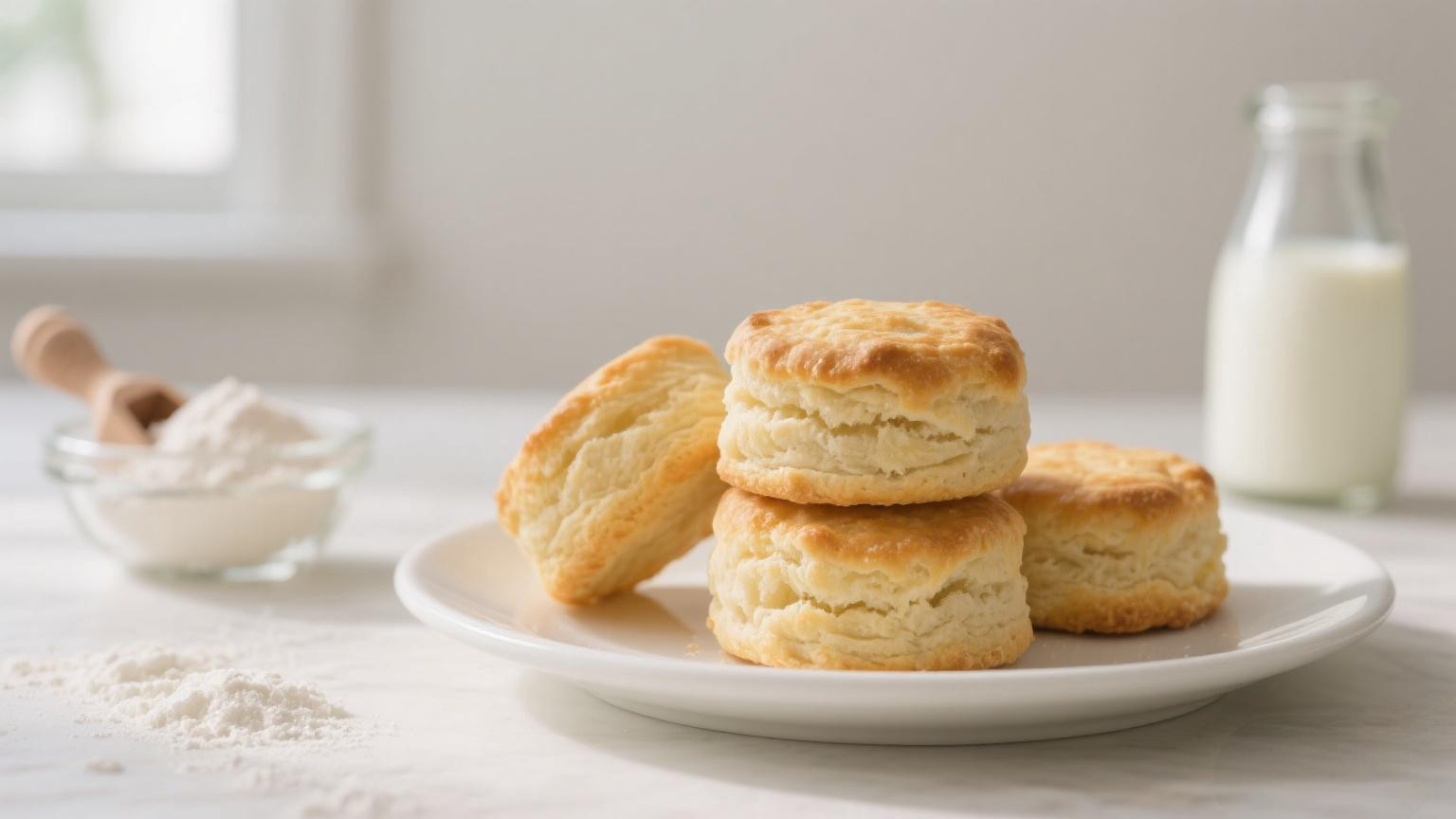
The Brenda Gantt biscuit recipe is straightforward to prepare, creating biscuits that are soft and tender. The method relies on simple ingredients like self-rising flour and buttermilk to produce a high-quality, classic breakfast item you can confidently make from scratch.
For additional breakfast ideas, you might check out our recipes for fluffy buttermilk pancakes, classic sausage gravy, easy homemade hash browns, and Southern-style cheese grits.
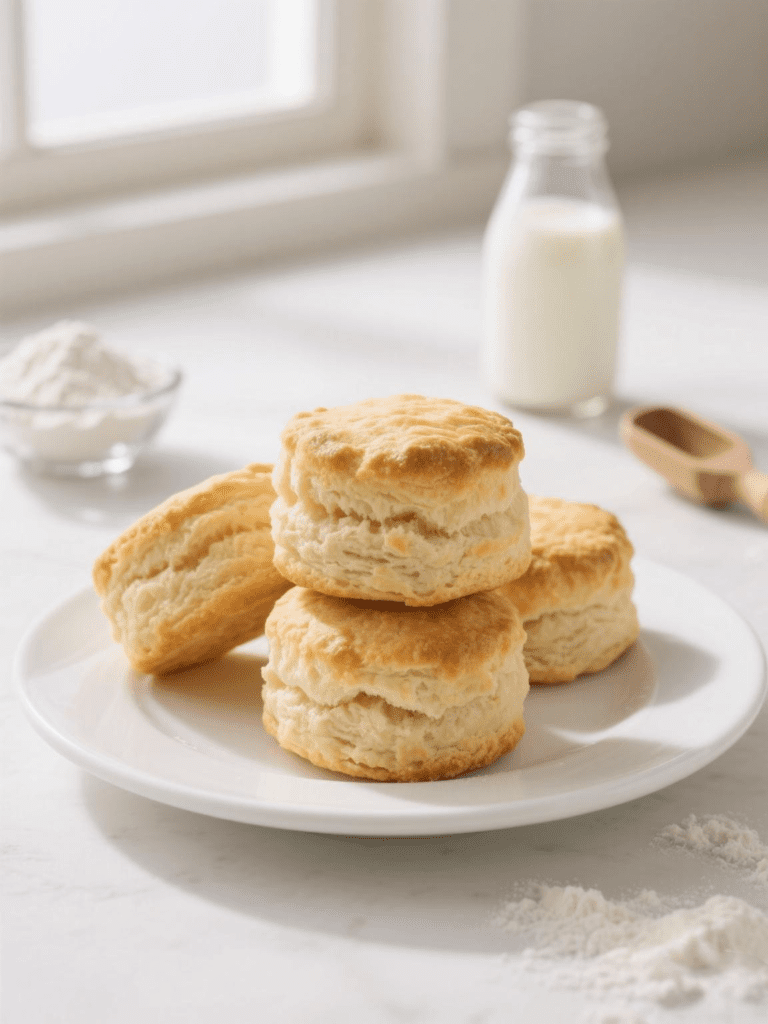
A Simple, Wholesome Biscuit for Everyday Meals and Snacks
These biscuits are not complicated at all, and that is precisely the intention. They rely on basic, everyday pantry items, and there is no complicated folding technique required here. We prefer the dough handled just enough because it creates a tender, flaky interior that makes these biscuits feel authentic and homemade.
With self-rising flour and buttermilk, Brenda Gantt’s biscuits turn out golden and soft, helping you stay satisfied between meals. They are also made without shortening, relying instead on simple fat choices that deliver classic flavor.
Instead of processed ingredients, this recipe sticks to traditional, well-known options like self-rising flour, real buttermilk, and a touch of sugar — the kinds of components we use daily and feel good about serving.
P.S. If you have extra buttermilk, you might also enjoy our classic southern cornbread, drop biscuit variation, or sweet potato biscuits.
Ingredients
Here are Full ingredients and substitutions are in the recipe box below.
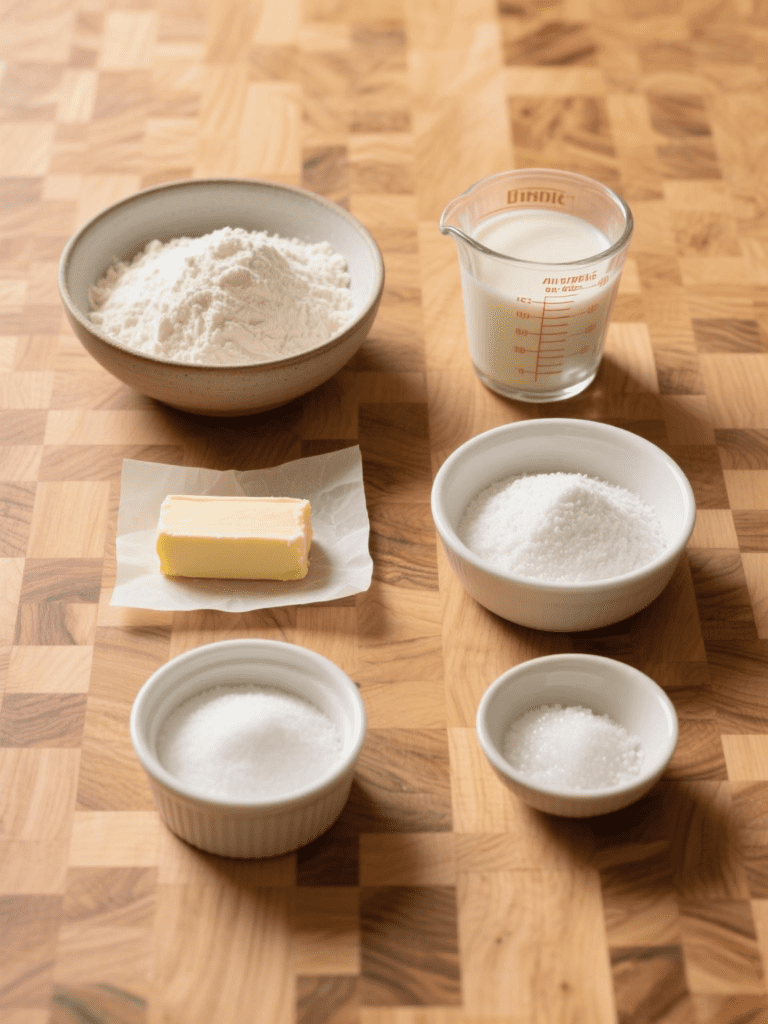
- All-purpose flour: forms the foundation of these biscuits and provides the classic light texture. White lily flour works especially well for a softer result.
- Butter: cold unsalted butter gets cut into the flour to create flaky layers. Do not let it warm up before baking.
- Buttermilk: adds tanginess and activates the leavening. Full-fat buttermilk gives the richest flavor, though low-fat works fine too.
- Baking powder: helps the biscuits rise high in the oven. Always check expiration dates for proper lift.
- Baking soda: balances the buttermilk’s acidity and contributes to browning. Use fresh for best results.
- Salt: enhances all the flavors and balances the richness. Do not skip it.
How to make brenda gantt biscuit recipe
Step 1 | Mix the Flour
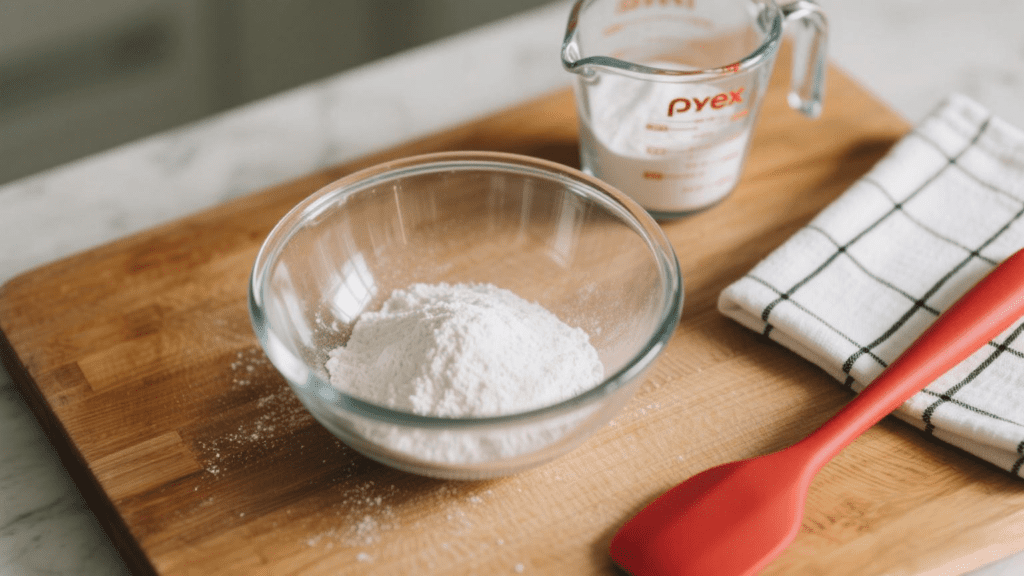
Place the self-rising flour into a large mixing bowl. Use your hand to form a wide, shallow well at the center. Place two small scoops of grease directly into this indentation.
Step 2 | Add the Buttermilk
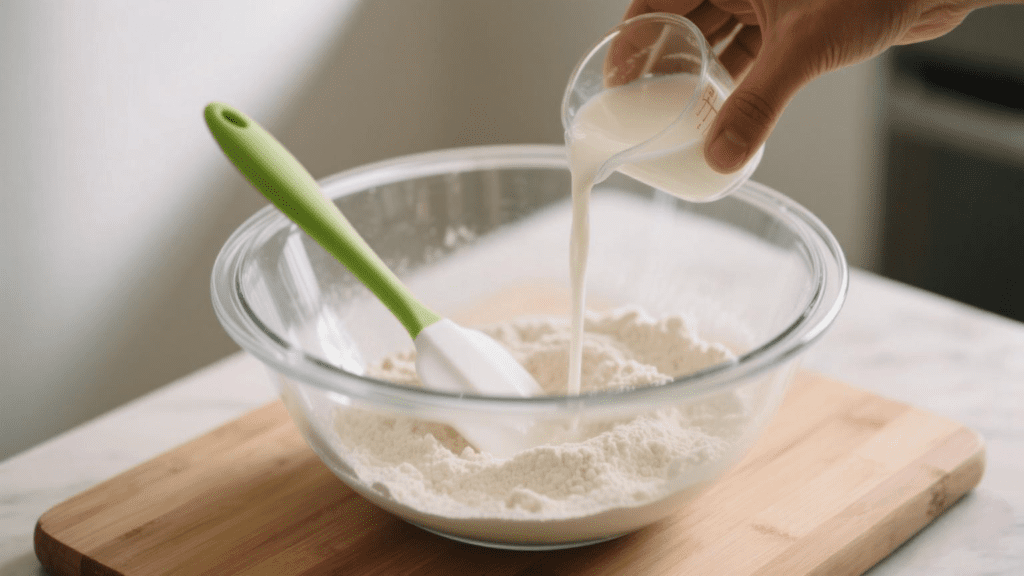
Pour a small quantity of cold buttermilk into the well. Mix exclusively in the center, using your fingers to make gentle circular motions. This technique slowly draws a small amount of flour from the walls into the liquid.
Step 3 | Form the Dough
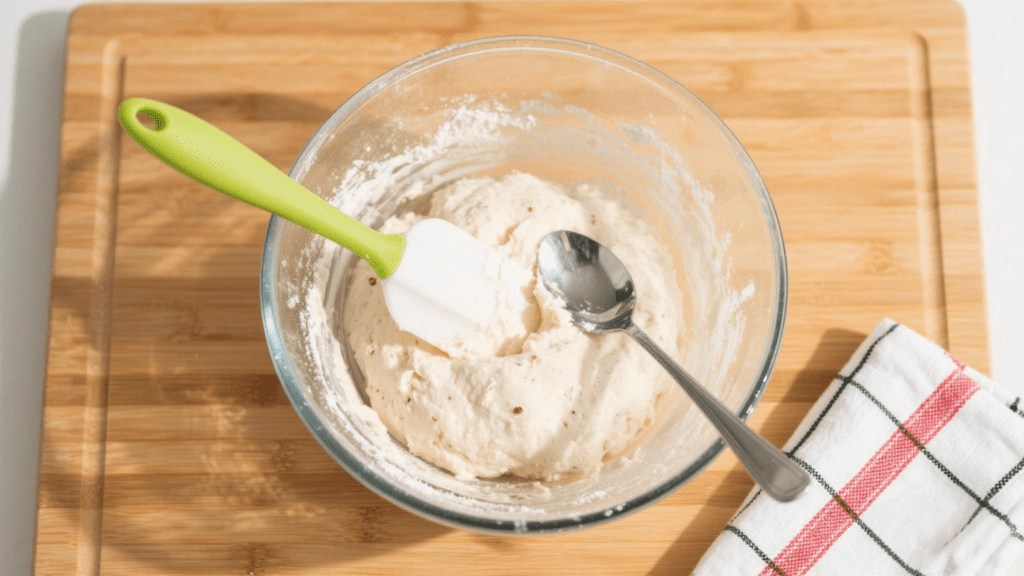
Continue adding buttermilk as required until the mixture forms a soft mound. The outer ring of dry flour should remain untouched. Once the dough no longer sticks to your fingers, use some of that dry flour to clean your hands.
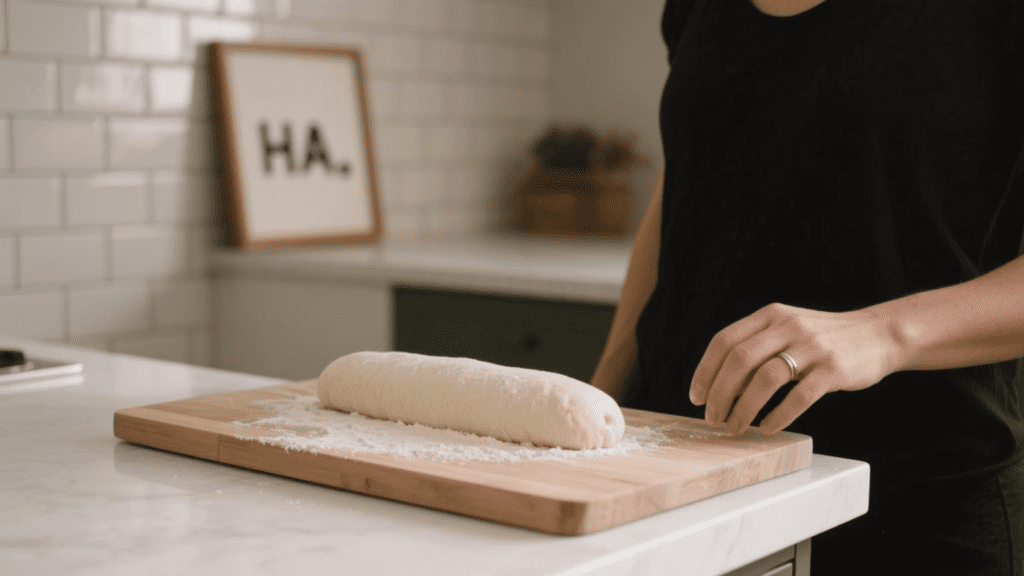
Step 4 | Prepare the Work Surface
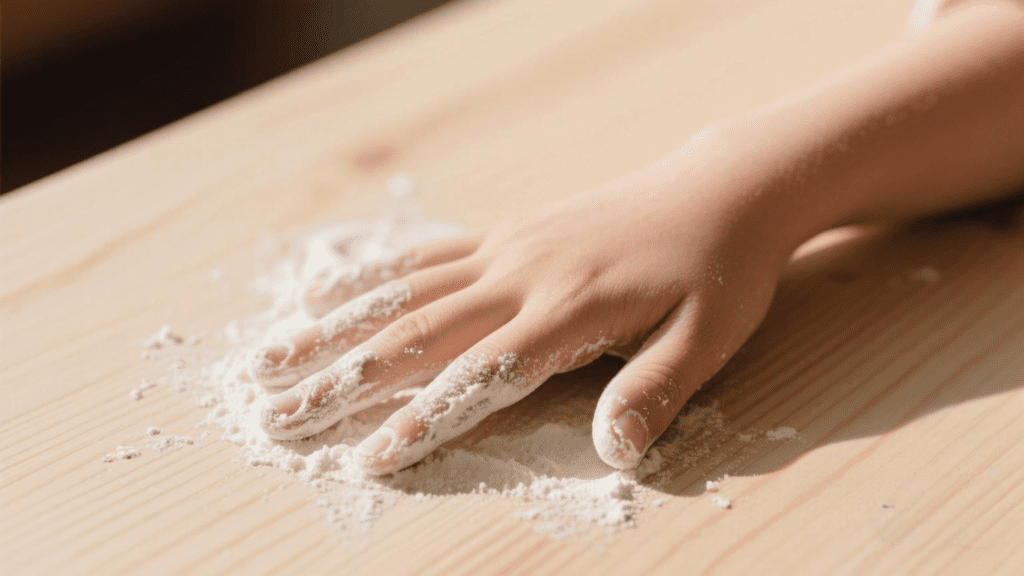
Dust your countertop with a layer of flour. Remove the dough from the bowl and set it down on the floured surface.
Step 5 | Shape the Dough
Press the dough lightly with your palm once or twice, using a gentle touch. Spread it to a thickness of roughly half an inch. Avoid pressing down too heavily.
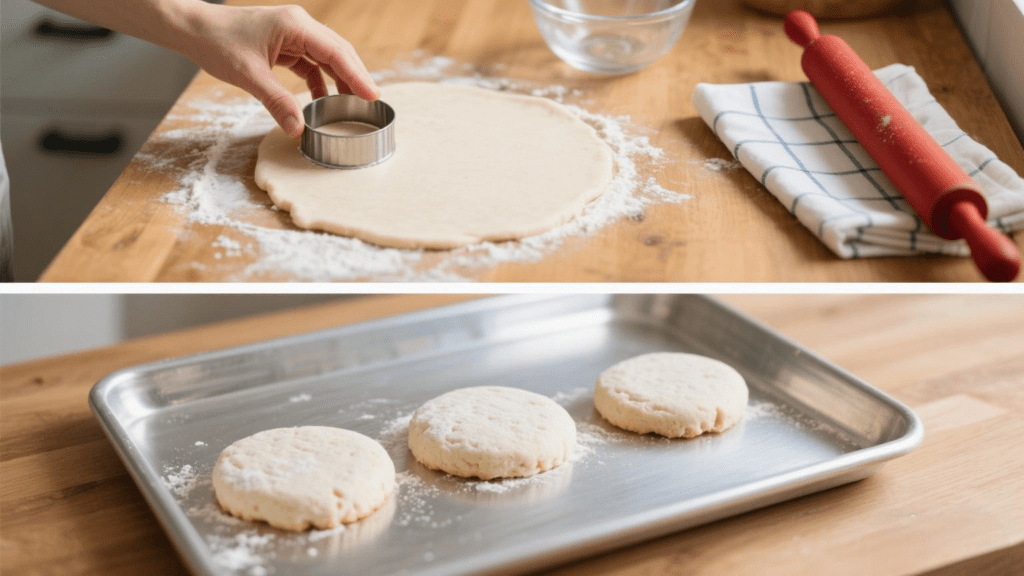
Step 6 | Cut the Biscuits
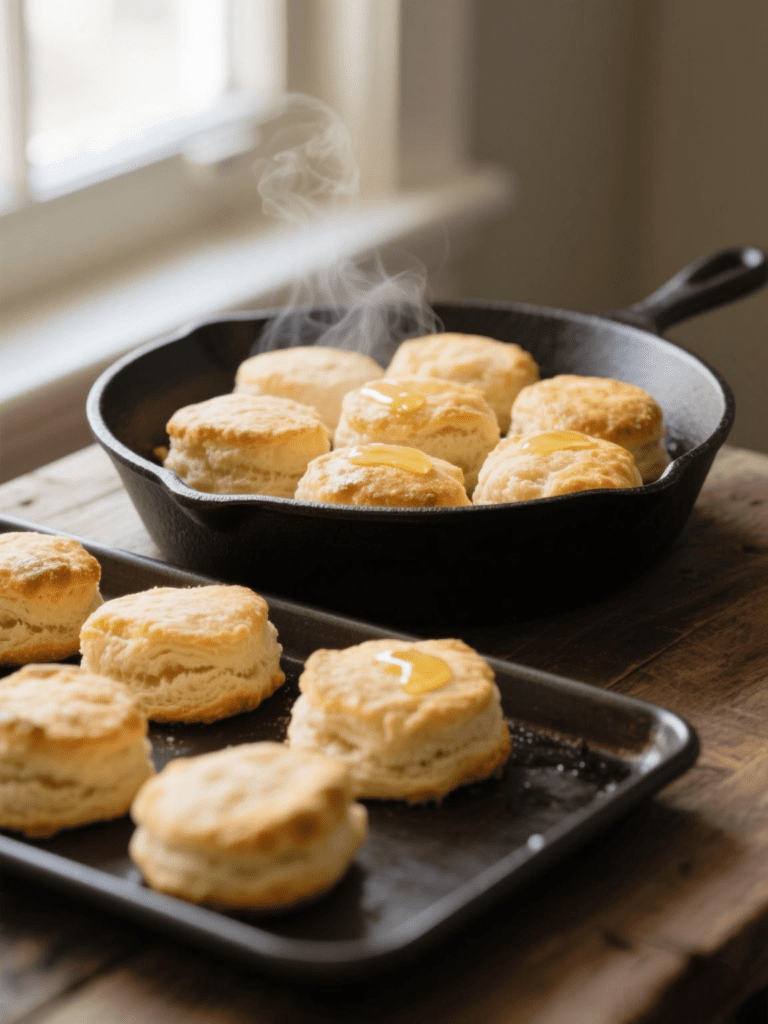
Dip the biscuit cutter into flour to prevent sticking. Press it straight down through the dough and lift it out cleanly. Place each round onto a greased cast-iron pan. Gather the leftover scraps, press them together gently, and cut out additional rounds.
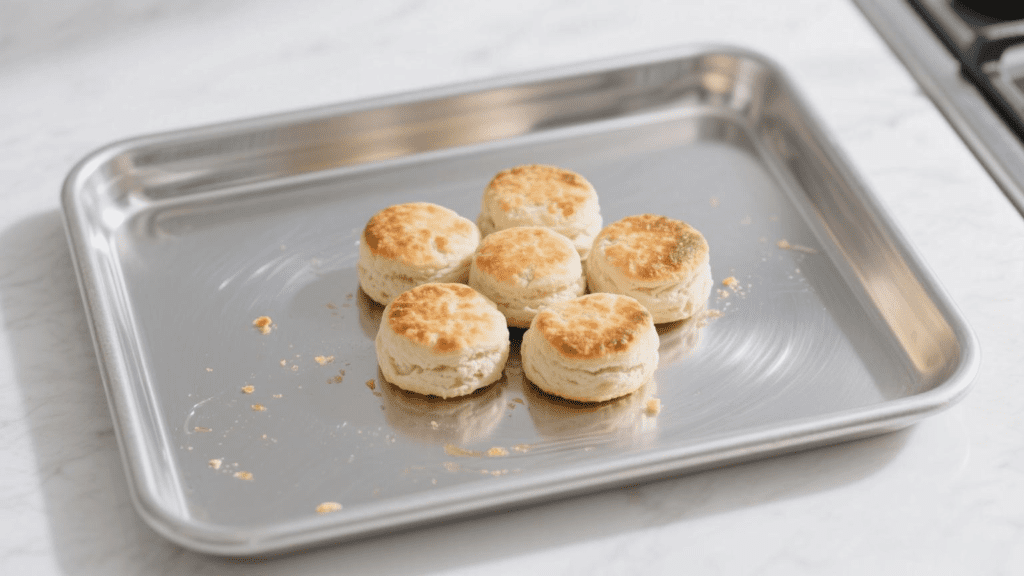
Step 7 | Bake
Preheat the oven to 500°F. Position the pan on the center rack and bake for 8 to 12 minutes. The exact time depends on the height of the biscuits. They are done when the tops are a soft golden color.
Ranges, Cooktops & Ovens
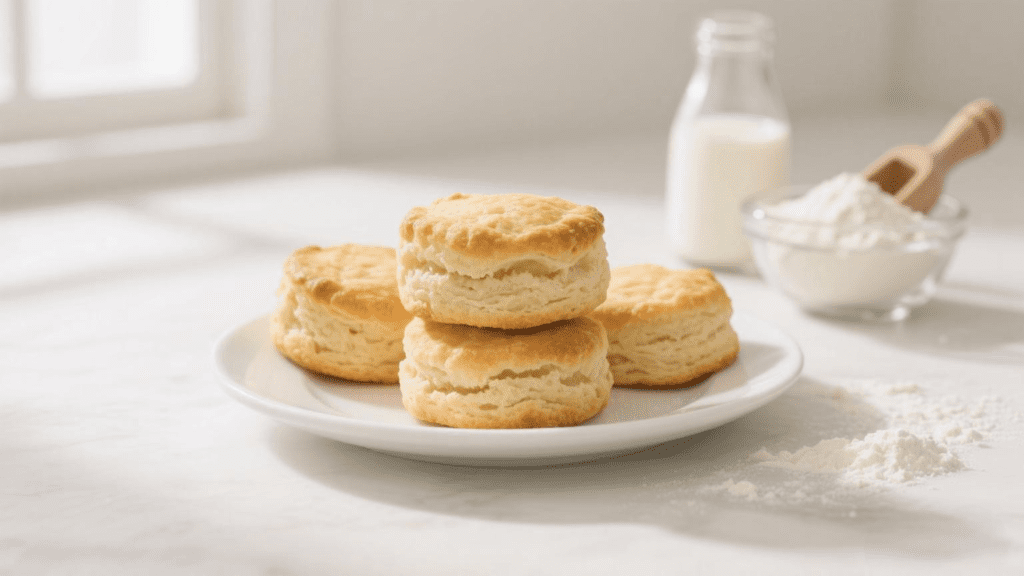
Step 8 | Serve and Enjoy
Allow the biscuits to cool for several minutes before serving. They should arrive at the table warm, tender, and soft, with a clean break when pulled apart.
Tips
- Use self-rising flour: This recipe works because of White Lily flour. It has lower protein and reacts with the buttermilk for the correct rise.
- Work the fat in by hand: Cut the cold butter into the flour until it looks like coarse meal. Do not use a food processor; your fingers should feel the texture.
- Pour in cold buttermilk: Keep the dairy ice cold. Add it all at once and stir with a fork until the dough begins to come together. It will look shaggy.
- Pat, do not roll: Turn the dough onto a floured surface. Pat it out gently to ¾-inch thickness. Rolling pins press out the air layers.
- Cut straight down: Press the biscuit cutter straight down without twisting. Twisting seals the edges and stops the biscuits from rising high.
- Place close together: Arrange the biscuits with their sides touching in the hot skillet. This forces them to rise upward instead of spreading out.
- Brush with melted butter: Right before they go into the oven, brush the tops with more butter for a soft, golden crust.
- Bake until tall: The biscuits are ready when they have risen significantly and the tops are deep golden brown. This usually takes 15-20 minutes in a hot oven.
- Cool in the pan: Let them rest in the skillet for a few minutes before serving. This sets the structure and keeps them tender.
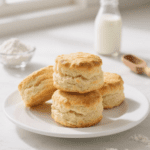
brenda gantt biscuit recipe
- Total Time: 20 minutes
- Yield: Makes 8 medium biscuits
Description
The Brenda Gantt biscuit recipe is straightforward to prepare, creating biscuits that are soft and tender. The method relies on simple ingredients like self-rising flour and buttermilk to produce a high-quality, classic breakfast item you can confidently make from scratch.
Ingredients
- Self-Rising Flour: 3 cups (plus ¼–½ cup extra for dusting
- Buttermilk: 1–1½ cups (cold)
- Grease (Lard, Butter, or Shortening): ½ cup (about two lumps the size of chicken eggs)
Instructions
- Mix the Flour: Place the self-rising flour into a large mixing bowl. Use your hand to form a wide, shallow well at the center. Place two small scoops of grease directly into this indentation.
- Add the Buttermilk: Pour a small quantity of cold buttermilk into the well. Mix exclusively in the center, using your fingers to make gentle circular motions. This technique slowly draws a small amount of flour from the walls into the liquid.
- Form the Dough: Continue adding buttermilk as required until the mixture forms a soft mound. The outer ring of dry flour should remain untouched. Once the dough no longer sticks to your fingers, use some of that dry flour to clean your hands.
- Prepare the Work Surface: Dust your countertop with a layer of flour. Remove the dough from the bowl and set it down on the floured surface.
- Shape the Dough: Press the dough lightly with your palm once or twice, using a gentle touch. Spread it to a thickness of roughly half an inch. Avoid pressing down too heavily.
- Cut the Biscuits: Dip the biscuit cutter into flour to prevent sticking. Press it straight down through the dough and lift it out cleanly. Place each round onto a greased cast-iron pan. Gather the leftover scraps, press them together gently, and cut out additional rounds.
- Bake: Preheat the oven to 500°F. Position the pan on the center rack and bake for 8 to 12 minutes. The exact time depends on the height of the biscuits. They are done when the tops are a soft golden color. Ranges, Cooktops & Ovens
- Serve and Enjoy: Allow the biscuits to cool for several minutes before serving. They should arrive at the table warm, tender, and soft, with a clean break when pulled apart.
- Prep Time: 10 minutes
- Cook Time: 10 minutes
Nutrition
- Calories: 180 kcal
- Sugar: 1g
- Fat: 9g
- Saturated Fat: 5g
- Protein: 4g